“Unpacking the Standard American Diet (SAD): What’s Wrong with Our Eating Habits?”
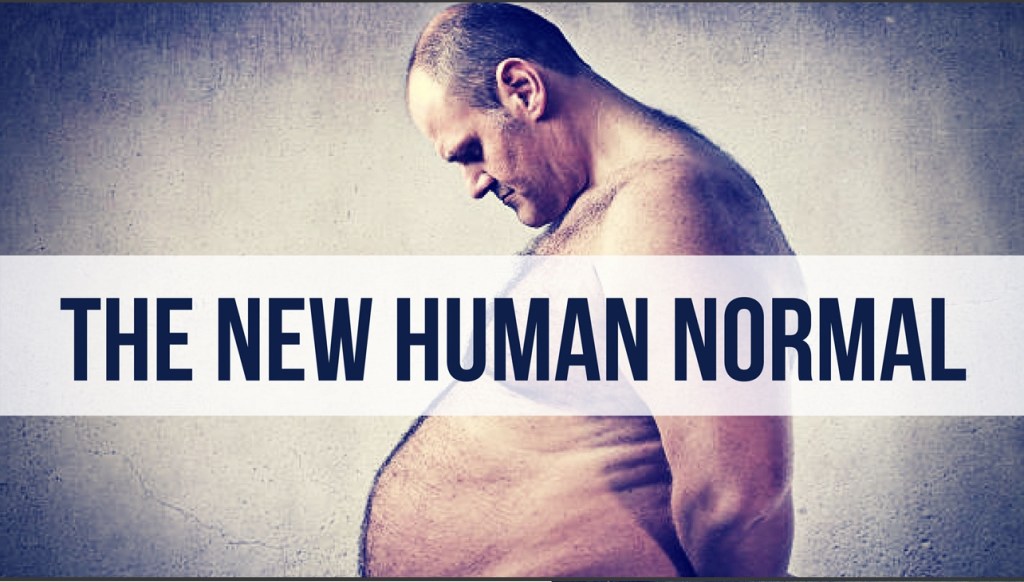
In the fast-paced world of today, convenience often trumps health, and nowhere is this more evident than in the dietary choices of many Americans. The Standard American Diet, aptly abbreviated as SAD, has become a topic of concern for health professionals, thought leaders, and ordinary folks alike. In this exploration, we’re going to dig deep into what makes SAD so, well, devastating.
SAD is not just a collection of eating habits; it’s a reflection of our lifestyle, culture, and the food industry’s influence. From processed foods laden with sugar to oversized portions that encourage overeating, SAD has far-reaching consequences, especially for those striving for better health and vitality.
So, let’s roll up our sleeves and uncover the not-so-appetizing truth about the Standard American Diet. We’ll discuss its origins, its impact on health, and what we can do to break free from its grip. By the end of this blog post, you’ll have a clear picture of SAD and why making healthier choices is a vital step toward a brighter, healthier future.
The Origins of the SAD
The Standard American Diet has a rich history, and understanding its roots is vital to comprehending the challenges it presents today. After World War II, the United States experienced a period of unprecedented industrial growth. This led to the mass production of food, which in turn facilitated the rise of processed and convenience foods. Frozen dinners, canned goods, and sugary cereals began to populate American kitchen shelves. These products offered speed and convenience, but at a significant cost to nutritional value.
Moreover, the marketing and advertising industry played a substantial role in shaping our eating habits. With catchy slogans and appealing commercials, unhealthy foods were portrayed as not only convenient but also desirable. Fast-food chains, in particular, began to proliferate across the country, becoming emblematic of American culture.
The Typical SAD Menu
Let’s break down a day in the life of someone following SAD. For breakfast, they might grab a bowl of sugary cereal or a pastry on their way to work. Lunch often consists of a fast-food burger accompanied by a generous serving of french fries, with a sugary soda to wash it down. Dinner could involve a large portion of processed pasta or a microwaveable TV dinner. In between meals, snacks are often loaded with sugar, salt, and unhealthy fats. These choices not only lack vital nutrients but also contribute to excess calorie intake, leading to weight gain and metabolic issues.
The Health Consequences
SAD has direct and severe health consequences. The most noticeable is the alarming increase in obesity rates. A diet high in processed foods, refined sugars, and unhealthy fats leads to excess body weight and the accumulation of visceral fat, which surrounds internal organs and increases the risk of chronic diseases. Heart disease and diabetes are two of the most prominent conditions associated with SAD. The excessive intake of trans fats and saturated fats found in many processed foods can elevate cholesterol levels, clog arteries, and contribute to cardiovascular issues.
Diabetes, both type 2 and, increasingly, type 1, is also on the rise. High carbohydrate consumption (not just sugar) can cause insulin resistance, a precursor to type 2 diabetes. Additionally, SAD promotes inflammation, which is a key driver of many chronic diseases, including autoimmune conditions and cancer.
Breaking Free from the Standard American Diet
The good news is that it’s possible to break free and make healthier choices. Start by gradually reducing processed foods, industrial seed oils, and sugars from your diet. Instead of that sugary cereal, opt for pasteured and sugar free bacon and eggs with fresh fruit. Swap out the fast-food burger for a homemade grass-fed burger with a side of green beans or mixed greens. Ditch the microwave dinner for a home-cooked meal prepared with fresh, whole food ingredients.
Mindful eating is a fundamental practice in making these changes. It involves paying attention as you eat, chewing thoroughly, savoring each bite, and listening to your body’s satiety cues. Small, sustainable adjustments in your diet can lead to significant improvements in your health and energy levels over time.
The Role of Nutrition and Whole Foods
Whole foods are the cornerstone of a healthy diet. Fruits and vegetables are packed with vitamins, minerals, and antioxidants that support overall health. Animal proteins, such as organic or pasture-raised chicken, wild caught fish, and grass-fed beef, provide essential amino acids for muscle repair and growth. Healthy fats from sources like avocados, eggs, nuts and seeds support brain function and help reduce inflammation.
Nutrition isn’t just about weight; it’s about nourishing your body for optimal performance. Men in their 40s and 50s, in particular, need to pay attention to their nutritional needs to maintain vitality and prevent age-related health issues.
The Journey to a Healthier Diet
Embracing a healthier diet is a journey requiring commitment, patience, and quality support. Seek guidance from a nutritionist or health coach who can help you set realistic goals and develop a plan that suits your individual needs and preferences. Accountability is powerful leverage. Along with coaching you can consider joining a community or support group of like-minded individuals on a similar path to better health.
Seeing your progress is also a critical component to change. Keep a food journal to monitor your progress, eating habits, and identify areas for improvement. Celebrate your wins, no matter how small, and remember that change takes time. With the decision to follow through and support, you’ll transition away from SAD foods and into a healthier, more energized you.


Leave a Reply