When we judge others, we lose our balance. We create separation and isolation. When we judge ourselves harshly, we perpetuate a cycle of shame. Yet we have a powerful tool in the pursuit of happiness, self-love, and wholeness – not to mention one that creates a better world to live in – the tool of non-judgement.
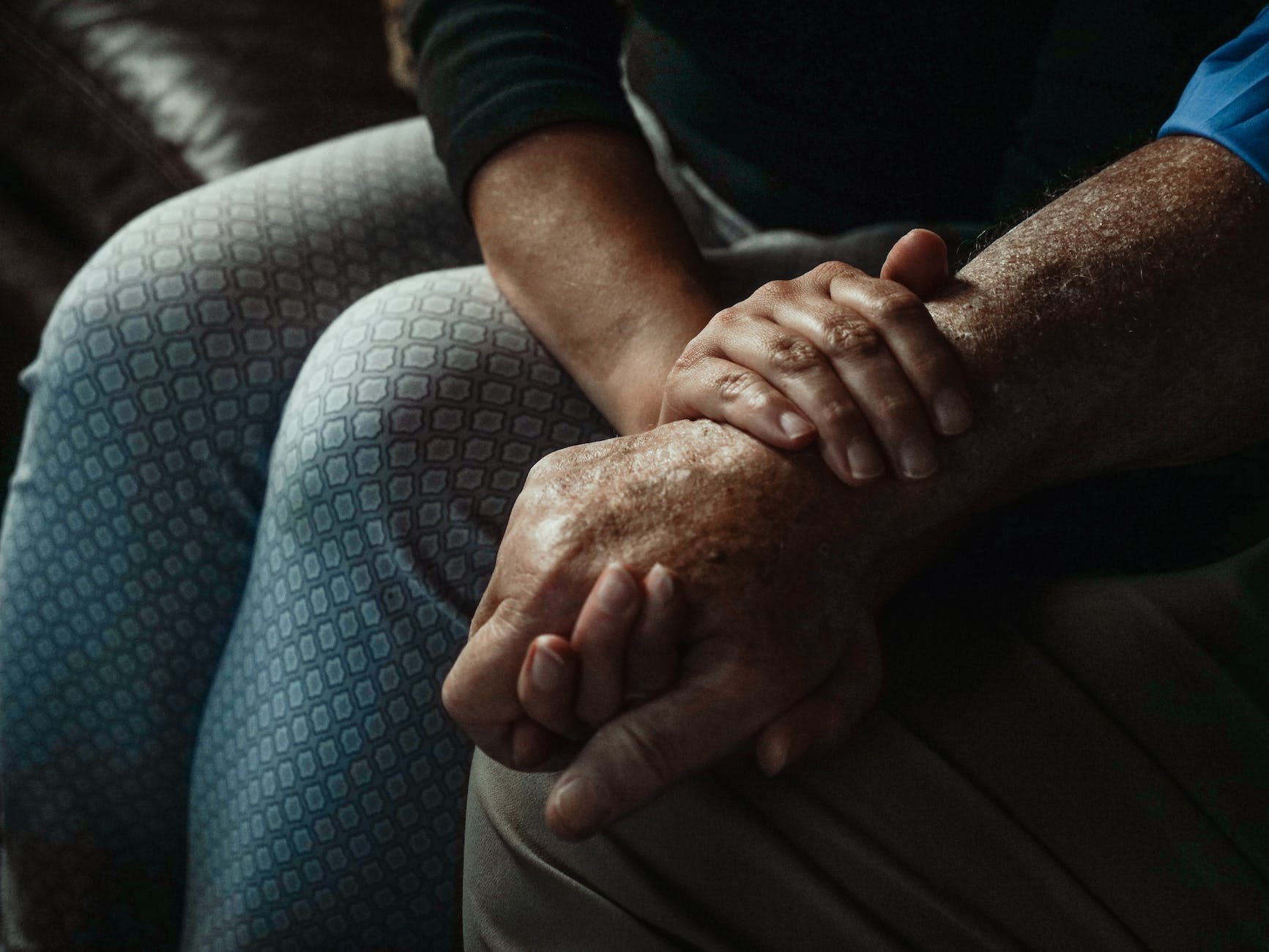
The trap of judgment.
The trap of judgment is one I still fall into several today.
I sometimes feel bad about how I eat or how I treated my wife the night before, and that leads me to judging myself, my day, and my life as a whole. I in turn become more stressed out, anxious, and disconnected from my body—all things that don’t help to stay fit, healthy, and well!
To avoid this trap, I often begin the morning with a short prayer (or intention) of “Today, I will not judge anything that happens as good or bad.” These words in the silence of the morning bubble up during the day and remind me when I judge to step back and let go of my estimation of the situation. Also, I turn to compassion with myself when I make a mistake. For example: if I overindulge at holiday meals or miss a workout because my schedule changed last minute due to other obligations, I give myself permission to mess up by reminding myself of the many days that I have stayed on track with my fitness and nutrition.
Judgement breeds separation and isolation.
Judgement can be a powerful force. It can create separation, as if we are different than or unrelated to an experience — when the truth is that the thoughts and emotions that we hold towards those bind us to the person or event. It can eventually make us feel as if we’re not good enough or that we don’t deserve something because when we judge others or circumstances, we can easily begin to turn judgement onto our own shortcomings. When you judge other people, it creates an idea of “me” versus “them”, which can lead to isolation and disengagement from others.
Letting go of judgement creates a sense of wholeness.
When we let go of judgement, our perception of the world instantly and dramatically shifts. We feel more at home in our own skin and connected to the world around us. We are more accepting of ourselves and others, which allows for greater self-love, compassion, and freedom from the comparison trap. When we do not judging ourselves, circumstances, or others, there is less pressure to be someone or do something other than our authentic selves. With less judgement comes a sense of wholeness that makes it easier for you to make decisions that feel right for your life. This feeling of wholeness leads to increased confidence in yourself as well as a greater sense of grounding within your daily life.
Judgement is distracting and can take you off track from your hopes and dreams.
Judgement is a form of resistance. It’s easy to tell yourself that someone else or something else is the problem, but in reality it’s just one way that we avoid facing our fears and insecurities directly. The more you judge, the less room there is for love (acceptance) and kindness to come from you and likewise to enter your life. Judgement impacts your emotions, mood and energy levels, too—and it can hold you back from reaching your true potential as an athlete.
Some kinds of judgement isn’t always bad though! Sometimes we need to take a step back from situations and evaluate how they are affecting us so we can make informed decisions about how we want to proceed with life goals or training plans. The difference comes in developing your discernment (a result of non-judgement) and your intention.
Judging yourself is the most harmful form of judgement that you can have.
Judgement is one of the most harmful forms of self-talk. When we judge ourselves, we are unaccepting of ourselves and what we have done. This internalized criticism can lead to a loss of joy and self-esteem.
In order to break free from this habit and start enjoying your life more, ask yourself these questions: What am I thinking? What am I feeling right now? Am I okay feeling this way?
When you find space for seeing what you think and how you feel about a person or experience (or anything else), then acceptance naturally occurs and you will be able to move on from it much more quickly than if you continue with self-judgment.
Non-judgement isn’t about turning a blind eye to evil and injustice, it’s about not evaluating people or circumstances as good or bad and accepting the imperfections of life and people.
Being non-judgemental is not about turning a blind eye to evil and injustice. It’s not about accepting as OK people or circumstances that hurt others. It’s about being kind, accepting yourself, others, and events as imperfect beings who don’t need to be judged by someone else on their level of success or personal development.
Let me explain:
When we judge someone, we’re making value judgments based on our perception of how they’re different from us (or how they compare with what we consider “normal”). When you judge someone, you are putting them in some way above or below you – whether it’s in terms of skill level at the gym or intelligence, social status or wealth. This can lead us to treating others badly or grandly because they don’t meet or they exceed our standards [of perfection]. Both put us in a place of separation and create an inner environment leaning towards self-judgement.
May we be kind to ourselves and others and help create more harmonious states of being and to better serve the world!
We all live in one world and we are all connected. May we be kind to ourselves and others to help create more harmonious states of being and to better serve the world!
The most important thing you can do is start with yourself. Compassion is the basis of spirituality, and it isn’t necessarily something you have or don’t have; instead, it’s something we learn how to develop over time. Compassion isn’t a feeling; it’s a way of being. In fact, many people feel more comfortable showing compassion towards others than they do towards themselves—but as we know from research in positive psychology (and as nearly every experienced coach will tell us), taking care of ourselves is at the heart of sustaining our best possible performance level and resilience in life.
It takes great courage for us humans to acknowledge our own pain and suffering – but once we do so sincerely and repeatedly (and practice self-compassion), then there comes an understanding: Your pain doesn’t define who *you* are any more than my joy defines what makes me special or worthy!
Conclusion
We all have things to improve on and it’s important to remember that and, at the same time, it’s essential to be kinder to ourselves. We can do better by not putting ourselves down and being supportive of each other instead of tearing each other down!
Takeaway:
The more we can practice non-judgement in our lives, the better off we’ll all be. Like anything worth having it takes practice and if I can do it, I know that you can!


Leave a Reply